
Zerion Wallet™ | Official Access®™
Explore Zerion Wallet to manage crypto assets, track your portfolio, discover Web3 opportunities, and connect with decentralized applications in one easy platform.
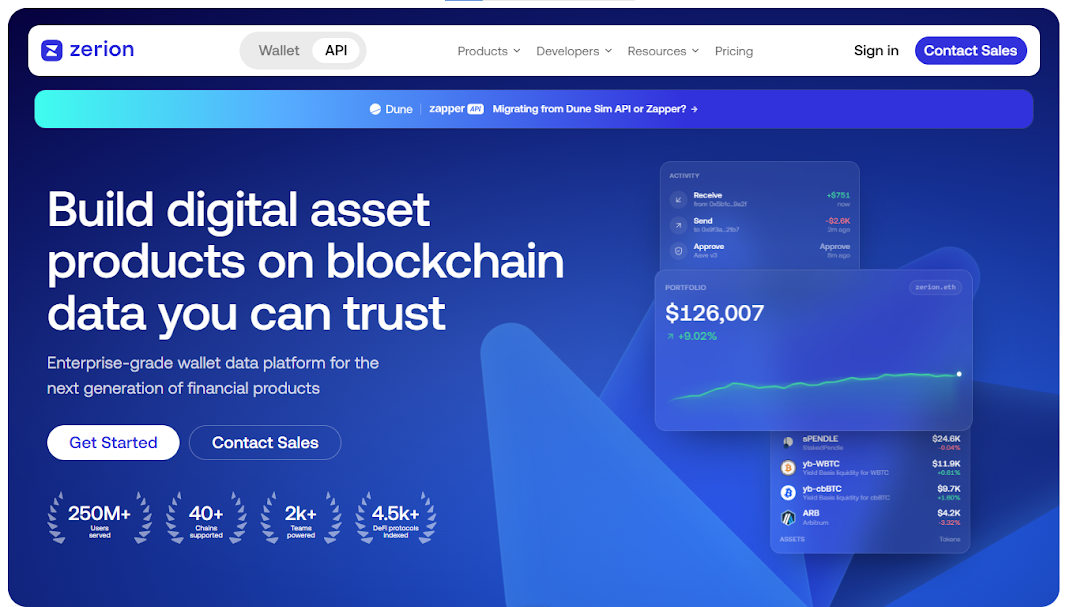
Zerion Wallet: A Simple Guide to Multi-Chain Crypto Management
Managing crypto across different blockchains can become complicated when assets, NFTs, DeFi positions, and transactions are spread across multiple networks. Zerion Wallet is designed to bring these activities together in one self-custodial wallet and portfolio experience. It supports Ethereum, Solana, and many EVM-compatible networks, allowing users to view and manage digital assets from a single interface.
What Is Zerion Wallet?
Zerion Wallet is a non-custodial cryptocurrency wallet available through mobile devices and a browser extension. With self-custody, users remain responsible for their private keys and recovery phrase rather than handing control of their funds to a centralized platform. The wallet can be used to buy, store, send, receive, swap, and bridge supported crypto assets while also interacting with decentralized applications.
For users who actively explore Web3, Zerion also provides portfolio tracking tools that make it easier to understand balances, transactions, NFTs, and DeFi positions.
Multi-Chain Portfolio Tracking
One of the main advantages of Zerion Wallet is its multi-chain approach. Instead of checking separate wallets and networks individually, users can view supported assets and activity through one organized dashboard.
Zerion currently supports Solana, Ethereum, and a broad selection of EVM networks, including Arbitrum, Base, Polygon, Optimism, BNB Chain, Avalanche, and others. Its official network documentation also explains that some networks have full support while others have limited functionality.
This makes the wallet particularly useful for people who regularly move between different blockchain ecosystems.
DeFi, NFTs, and Swaps
Zerion Wallet goes beyond basic crypto storage. Its portfolio tools can help users track DeFi positions such as liquidity pools, staked assets, and rewards. Zerion also provides swapping and bridging features that can help users find competitive routes across decentralized exchanges.
NFT management is another part of the experience. Users can view supported NFTs alongside their other digital assets, making it easier to monitor an entire on-chain portfolio from one place.
Security and Self-Custody
Security is an important consideration when selecting any crypto wallet. Zerion states that it cannot access users' recovery phrases or private keys. Its security approach includes independent audits, open-source components, and a bug bounty program.
However, self-custody also means users have an important responsibility. A recovery phrase should never be shared with another person or entered into an unfamiliar website. Users should verify transaction details carefully before signing and download wallet software only from trusted sources.
How to Get Started With Zerion Wallet
Getting started is straightforward. First, install Zerion through an official platform and create a new wallet or connect an existing compatible wallet. During setup, carefully secure the recovery phrase according to Zerion's guidance.
After setup, users can explore their portfolio, connect to supported decentralized applications, swap assets, manage NFTs, and monitor blockchain activity.
Final Thoughts
Zerion Wallet offers a convenient way to manage crypto across multiple networks while maintaining self-custody. Its combination of portfolio tracking, DeFi visibility, NFT management, swaps, bridging, and multi-chain support makes it useful for both everyday users and people who actively participate in Web3.
As with any self-custodial wallet, security starts with the user. Protecting recovery information, checking transaction details, and using official wallet sources are essential steps for maintaining control of digital assets.
Updated about 3 hours ago